Net Zero refers to the ambitious goal set by the UK government and other different countries to reduce carbon emissions to zero on an annual basis by 2050. It is intended to limit global warming to 1.5°c, protect the global economy from climate change, and transform industrial processes.
As it is a heavy contributor to carbon emissions, pressure is mounting on the private sector to do more to achieve its Net Zero targets and prevent a dangerous global temperature rise. From the United Nations Framework Convention on Climate Change to everyday customers, the heat is on to reduce the environmental impact of business operations.
Before meaningful action can be taken towards achieving the goal of Net Zero, as a business leader, you must develop a comprehensive understanding of your current business practices and the extent of their environmental impact.
Among multiple factors, it is incumbent on you to understand your business’s current energy consumption and the sources of energy used, the level of emissions associated with your corporate processes, and any logistical demands.
It is also important to be aware of the carbon emissions produced within your supply chain and those related to the disposal of your products.
In short, the road to Net Zero is a demanding one. However, armed with the requisite knowledge, you can develop strategies for reducing emissions and bringing Net Zero closer to reality.
In this blog, we look at some of the proven climate action measures to help you reach Net Zero, from transitioning to renewable sources of energy and use of carbon capture offsets to improving the efficiency of your business processes.

Understanding your Carbon Footprint
The starting point of any business’ journey to Net Zero is the development of a comprehensive understanding of its carbon footprint.
To acquire this knowledge, you must calculate exactly what the carbon footprint of your business is. Your carbon footprint is the total volume of greenhouse gas emissions produced by your company’s activities. The footprint should include all sources of direct and indirect carbon emissions, such as energy use, transportation, and raw material production.
Once the carbon footprint is calculated, it is then necessary to identify specific causes of emissions within the business that need to be addressed. This may include the energy sources your power suppliers use, how often your goods and people travel and by what means, and how efficiently energy is used during operational hours.
Of course, even the most accurate calculations of your carbon footprint will be rendered useless without achievable reduction strategies and the necessary efforts made to drive change.
Though the strategies businesses opt for will vary depending on the size and scope of the enterprise, a comprehensive approach will ensure maximum efficiency.
Making the Commitment to Net Zero
Once a commitment to reach Net Zero has been agreed upon at the board level, business leaders must evolve their understanding of what their goal is to what factors are necessary for the goal to be realised.
Here, planning is essential. You should create a blueprint outlining the steps necessary for emission reductions to the point of Net Zero by 2050. The plan should include a broad analysis of current operational practices and potential strategies to achieve carbon neutral status.
To provide momentum to the plan, it is advisable to set ambitious, science-based targets and timelines to ensure that progress is made. These targets can include moving to a supplier of renewable energy sources and implementing a variety of energy-efficiency measures.
Energy efficiency is a vital cog in the Net Zero machine. It can range from smaller actions like switching to LED lighting and promoting the need to recycle to installing proper insulation and going fully paperless.
Having set a Net Zero plan and activated it, business leaders must track their progress by monitoring and analysing emissions data associated with their operations. Not only does tracking the data help ensure the business is moving in the right direction, but it provides opportunities to share with stakeholders how the strategy is aligning with and boosting the company’s values and goals.
There are a number of steps businesses can take to reduce their emissions and achieve net zero. Next, we look at three that are proven to affect real change.
Energy Efficiency
It is estimated that in the UK alone, businesses waste £60 million worth of energy every year.
As such, it is vital to gain a valuable insight into how your business uses energy so that you can analyse data and identify energy losses. Red Hawk’s recent launch of energy monitoring tool, hawk-i can help you do just that.
Energy-efficient technology must be implemented wherever possible. As stated, this can include using LED lighting but can also extend to smart thermostats and a range of other energy-saving devices.
Technology can be added to by switching to renewable energy sources, such as solar and wind, and by optimising energy consumption by taking steps like scheduling equipment to run during off-peak hours and installing energy management systems to monitor power usage.
Transportation
As businesses become increasingly engaged in reducing their carbon footprint, transportation soon comes under the microscope.
Ahead of the UK’s ban on new petrol and diesel cars coming into effect in 2030, now could be a good time to start thinking about investing in hybrid or electric vehicles for your company cars and even your truck fleet if you have one.
Also, if you use a courier for your goods, check their sustainable policies and make sure they are aligned with your own.
With these steps taken, any residual emissions can be cancelled out by investing in carbon capture offsetting initiatives or engaging in activities that prevent greenhouse gas emissions from reaching the atmosphere.
Business Practices to Reach Net Zero emissions
Moving toward more sustainable business practices will significantly strengthen your Net Zero by 2050 drive. A critical component here is better management of wastage and ways waste production can be minimised.
You should consider strategies such as reusing materials, recycling, composting wherever possible, and switching to a more widespread use of sustainable materials in any manufacturing process.
If feasible, transitioning to a remote or hybrid working model can massively reduce emissions and bring you closer to a carbon neutral status. By allowing employees to work from home, you can reduce carbon emissions caused by transportation, as well as save on energy costs associated with running a physical office.
Implementing the Net Zero Plan
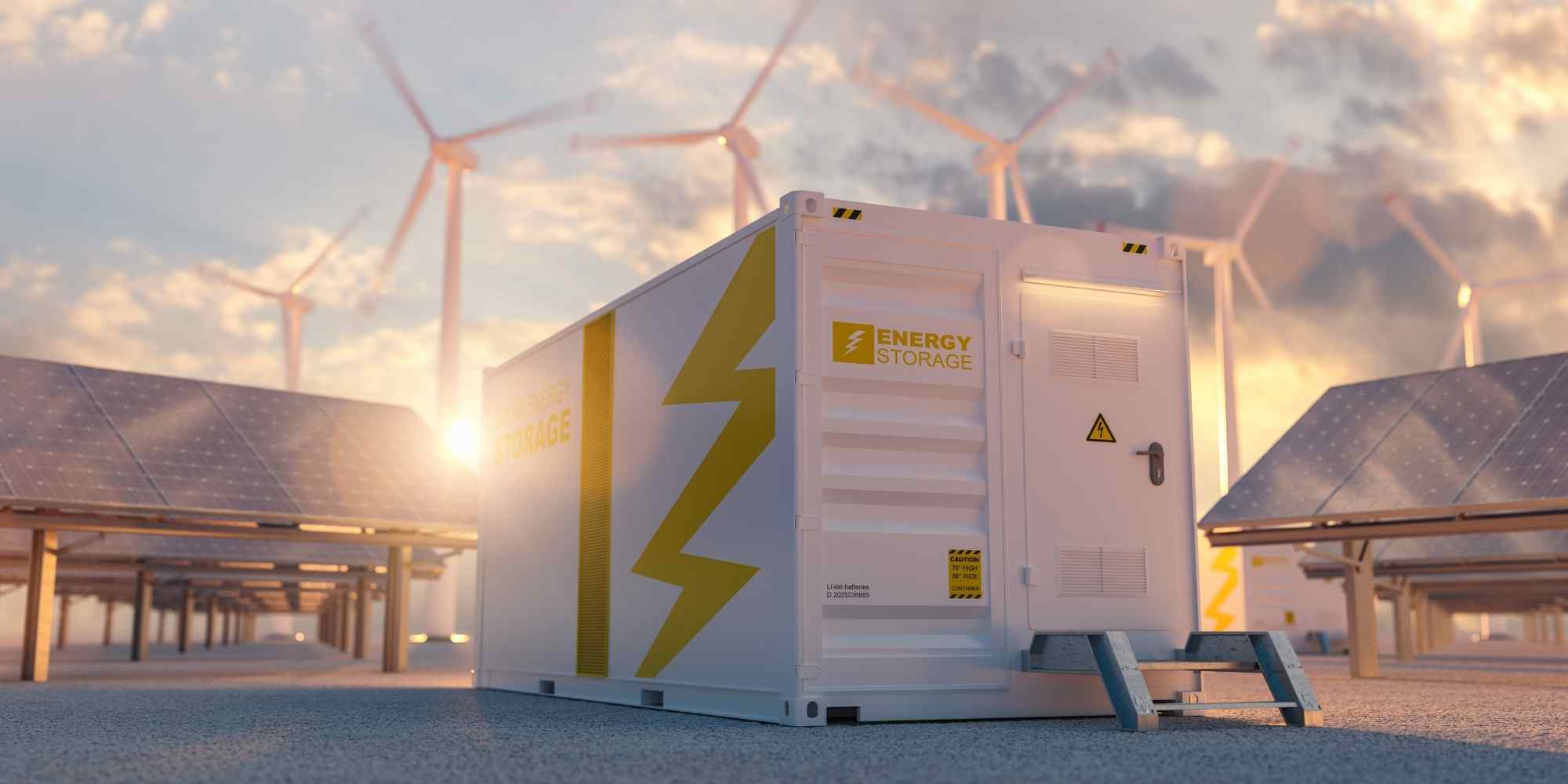
It’s important to understand that the steps needed to reach a Net Zero target are many. Ending business reliance on traditional fossil fuels that pump carbon dioxide into the atmosphere cannot be achieved through the likes of wind power alone.
Incorporating sustainable practices, such as reducing waste, using water and energy-efficient products, and developing sustainable value chains, is also essential. Additionally, integrating technology solutions, like AI, big data, machine learning, and the Internet of Things, can help streamline processes, cut waste, and increase overall efficiencies in the near term and beyond.
To implement an effective carbon neutral plan and reach Net Zero, every measure actioned must be closely monitored and receive the support of everyone associated with the business, from staff and suppliers to customers and shareholders.
The Business Benefits of Reaching Net Zero
The benefits of reaching Net Zero and eliminating carbon footprints are numerous. First and foremost, you will have taken the whole planet one step closer to a greener, cleaner future. In the immediate, it will help improve the local environment in which you operate – something the local community will quickly come to realise and appreciate.
It won’t just be the local community that recognises your efforts either. A Net Zero status helps a business become more competitive in the market as customers are increasingly attracted to organisations that can demonstrate a commitment to improving industrial processes and tackling climate change.
More customers coming through the door is then bolstered by the operational costs associated with a lowering of energy consumption and a reduction of greenhouse gas emissions.
Perhaps one of the most enticing benefits of achieving Net Zero targets is what it allows a business to do beyond attracting new customers and fresh investment. With so many businesses deep within their own Net Zero journeys, those that get there first are able to position themselves as climate action pioneers.
This newfound standing can be used to help partners and suppliers improve their own operations to become recognised sector-wide as champions of carbon neutrality.
Final Thought
To reach Net Zero is a goal many business leaders strive for. However, with little understanding of how to achieve the complete transformation necessary to reach it, emissions continue to flow, and Net Zero by 2050 becomes ever more doubtful.
To recap, a Net Zero climate action plan should mirror the following:
- Conduct a thorough analysis of the company’s greenhouse gas emissions today and any activity that prevents the business from becoming carbon negative. This will allow you to create an effective plan to reduce carbon and other greenhouse gas emissions and tackle emissions sources.
- Explore what the energy sector has to offer and switch to renewable energy sources, such as solar and wind energy.
- Invest in energy efficiency technologies to manage emissions and other greenhouse gases and find ways to make deep cuts to energy consumption.
- Monitor your progress and adjust the Net Zero plan if new data reveals areas improvements can be made in your business or in your value chain.
It is unquestionable that each business – no matter its size – has the potential to make a positive impact on global warming and climate change. The time is now to take action, ensure your energy consumption is as efficient and low-carbon as possible, and work towards a future when you can introduce yourself as a genuine Net Zero business.
Speak To Red Hawk Today
The road to Net Zero by 2050 can often feel overwhelming. With such a range of measures to explore, choosing the right ones for your business can lead to confusion and hesitancy.
Speak to Red Hawk today, and our expert consultants will guide you towards solutions, practices, and innovations that conserve energy and resources, lower your bills and emissions, deliver real environmental improvements, and put you at the forefront of a new Net Zero corporate world.