The UK has set an ambitious target of achieving net zero greenhouse gas emissions by 2050. This target aligns with the Paris Agreement’s aim of limiting global warming to 1.5°C above pre-industrial levels.
Achieving this target will require significant changes across all sectors of the economy, not least the manufacturing industry.
Manufacturing is one of the most significant contributors to carbon emissions
In fact, it accounts for around 10% of the UK’s total emissions, primarily through the energy-intensive processes involved in manufacturing goods. The manufacturing industry must adopt new technologies, processes, and business models that reduce emissions to achieve net zero.
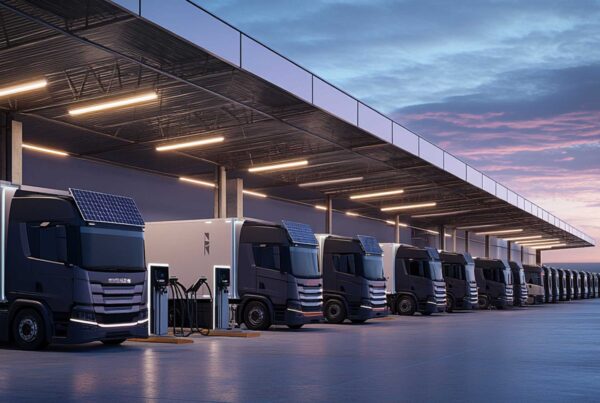
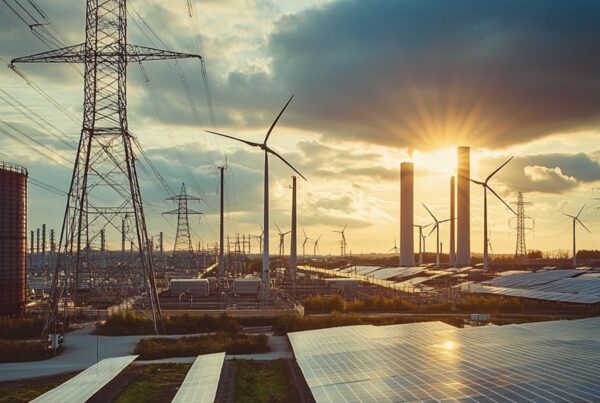
One of the key challenges facing the manufacturing industry is the decarbonisation of its energy sources. The industry heavily relies on fossil fuels, particularly natural gas, used for heating and electricity generation. To achieve net zero, the industry must transition to renewable energy sources such as wind, solar, and hydropower, requiring investment in renewable energy infrastructure, such as wind turbines and solar panels.
In addition to decarbonising its energy sources, the manufacturing industry will need to focus on improving overall energy efficiency. This can be achieved through various measures, including energy audits, using energy-efficient equipment and processes, and adopting energy management systems. By reducing energy consumption, not only can manufacturers lower their carbon footprints, they can lower their costs too.
Introducing the circular economy
Another area where the manufacturing industry can make significant emissions reductions is by adopting circular economy principles.
The circular economy is an economic system that aims to minimise waste and maximise the use of resources by keeping products and materials in use for as long as possible. Properly implemented, circular economy principles can also drive sustainable growth and long-term competitiveness.
Manufacturers can promote resource efficiency, spur innovation, and reduce environmental impacts by shifting from a linear, ‘take-make-waste’ model towards a circular approach. This holistic perspective fosters the notion of recapturing and regenerating products and materials, preventing waste generation while maintaining economic value.
Furthermore, as global resources become more scarce and governments enact more stringent environmental regulations, companies that embrace circular economy principles will be better equipped to adapt, ensuring continued success in a constantly evolving market.
The integration of circular strategies within the UK manufacturing sector is an indispensable step towards creating a resilient and prosperous future for businesses, consumers and the environment alike. It can be achieved through recycling, refurbishment, and remanufacturing practices.
By adopting circular economy principles, manufacturers can reduce their reliance on virgin materials while further reducing their carbon footprint.

The government wants to help
The UK government has introduced a range of policies and initiatives to support the manufacturing industry in its transition to net zero. One of the key initiatives is the Industrial Decarbonisation Strategy, which sets out a roadmap for the decarbonisation of industry in the UK.
The strategy includes measures such as funding for the development of low-carbon technologies, support for deploying renewable energy infrastructure and introducing carbon pricing.
Another initiative is the Clean Growth Strategy, which sets out a plan for decarbonising the UK economy as a whole. The strategy includes measures to support the deployment of low-carbon technologies in manufacturing, such as using electric vehicles and developing low-carbon industrial processes.
Customer and supply chain buy-in is critical
The manufacturing industry must also work closely with its supply chain partners to achieve net zero. Collaboration and coordination will be needed across the entire value chain, from raw materials suppliers to end customers.
Manufacturers will need to work with suppliers to identify low-carbon alternatives to materials and components and with customers to promote the use of sustainable products and services.
One of the key benefits of achieving net zero for the manufacturing industry is the potential for increased competitiveness. As consumers become more environmentally aware, there is a growing demand for sustainable products and services. Manufacturers demonstrating their commitment to sustainability will likely be more attractive to customers and investors.
Final thought
Achieving net zero will require the manufacturing industry to make significant changes. The sector must decarbonise its energy sources, improve energy efficiency, adopt circular economy principles, and work closely with supply chain partners.
The UK government has introduced a range of policies and initiatives to support the industry in this transition, and there are significant opportunities for manufacturers that can demonstrate their commitment to sustainability.
By working together, the industry can play a crucial role in achieving the UK’s net zero target and contributing to a more sustainable future.
The road to Net Zero by 2050 can often feel overwhelming. With such a range of measures to explore, choosing the right ones for your business can lead to confusion and hesitancy.
Speak to Red Hawk today, and our expert consultants will guide you towards solutions, practices, and innovations that conserve energy and resources, lower your bills and emissions, deliver real environmental improvements, and put you at the forefront of a new Net Zero corporate world.