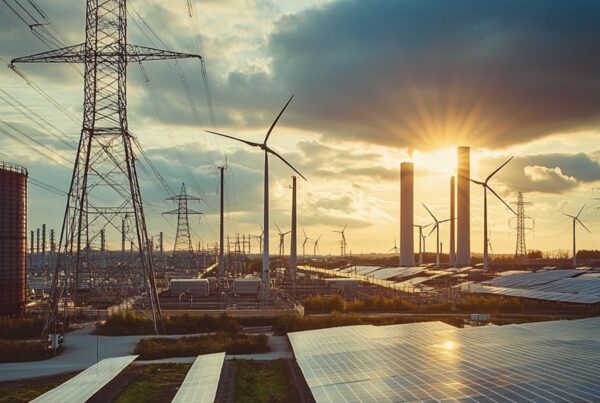
Following their victory in the July 4 General Election, the new Labour government has swiftly embarked on an ambitious mission to reshape the United Kingdom into a “Clean Energy Superpower”.
In this blog, we explore how the UK’s Labour government is pushing forward with its climate change and energy security commitments, showcasing a strong determination to roll out sustainable and forward-thinking energy policies.
Post-election momentum
Since taking office, Labour has wasted no time in advancing its clean energy agenda. Rachel Reeves, the freshly appointed Chancellor of the Exchequer, has initiated crucial reforms to streamline the planning process, ensuring that vital energy infrastructure projects are not bogged down by red tape.
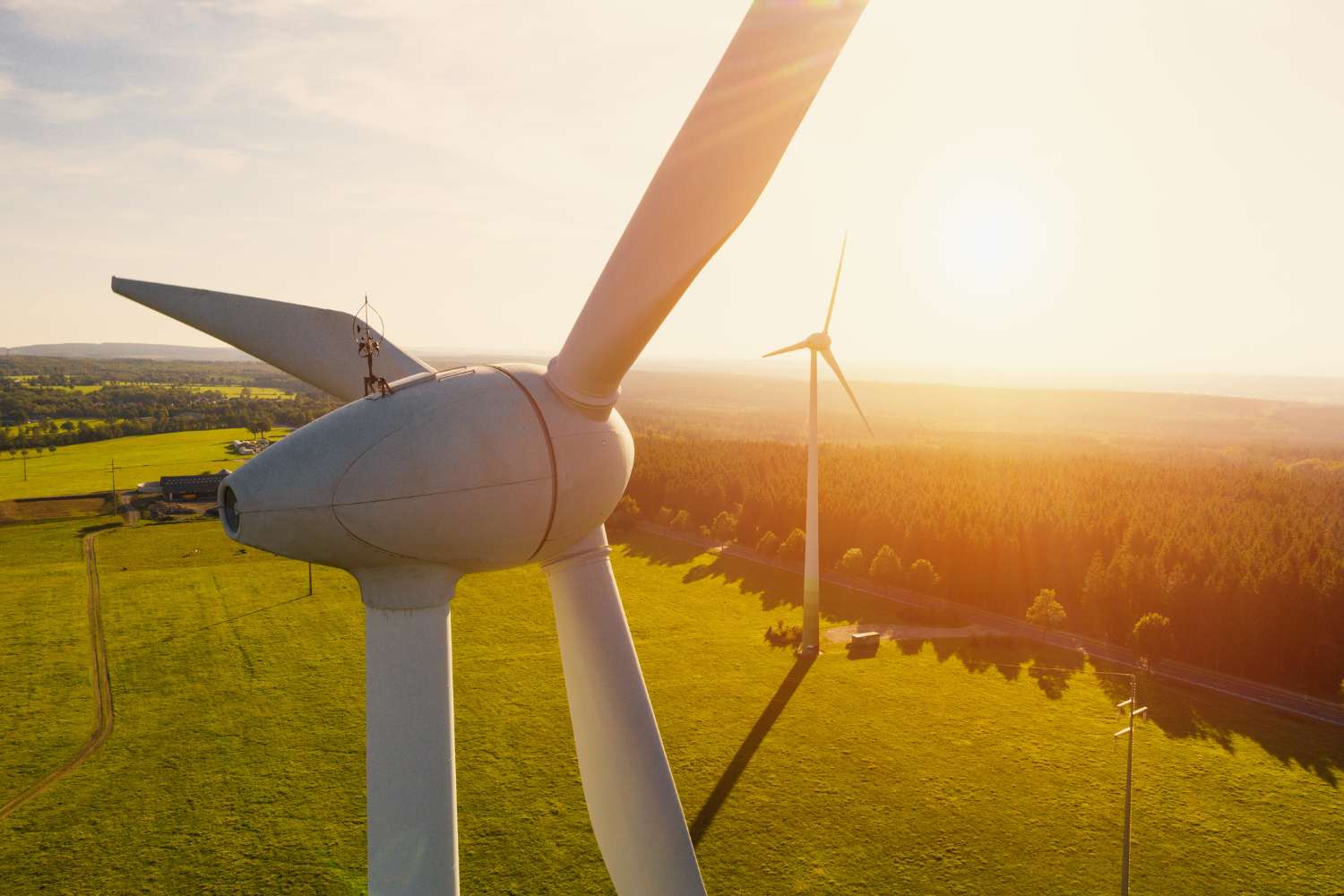
In a decisive move, she has also removed what she described as an “absurd” restriction on new windfarms and said decisions should be taken on a national level, and not locally. This action certainly supports the government’s commitment to doubling onshore wind energy by 2030.
Ed Miliband’s appointment as the Secretary of State for Energy Security and Net Zero on 5 July 2024 has been another pivotal appointment. He will lead the mission to make Britain a clean energy superpower with zero carbon electricity by 2030 and accelerating our journey to net zero.
He has appointed Chris Stark, the former CEO of the Climate Change Committee, to lead a new initiative dubbed “Mission Control”.
The department’s priority is to boost energy independence and cut bills through clean power, upgrade homes to reduce fuel poverty, reform the energy system for consumers, create jobs and ensure a just transition in industrial regions.
Reinforcing these commitments, the King’s Speech unveiled plans for a new bill to establish Great British Energy—a flagship project from Labour’s election campaign.
Historic investments in clean energy
On July 31, the government revealed an additional £500 million allocation for domestic clean energy, raising the total investment in Contracts for Difference (CfD) auctions to £1.5 billion. This significant financial injection aims to encourage businesses to adopt low-carbon, cost-efficient energy solutions over the medium to long term. The increased funding is expected to speed up the production of clean, low-carbon electricity, with a notable impact on the nation’s long-term energy costs.
The boost in funding for offshore wind projects is anticipated to attract more industry investment and reinforce offshore wind’s pivotal role in the UK’s clean energy strategy. With the announcement of successful projects expected soon, the government emphasizes its commitment to providing stable, clean energy for the UK and reducing reliance on the unpredictable fossil fuel markets.
The role of Great British Energy
Great British Energy, though not an energy supplier itself, is set to significantly influence the energy landscape. As an investment firm, it will foster the growth of clean energy initiatives by owning, developing, and managing generation assets. Based in Scotland and backed by £8.3 billion, this initiative aims to stimulate private sector investment and achieve the UK’s ambitious clean energy objectives.
So, what now?
While the specifics of the £8.3 billion investment are yet to be detailed, the commitment to expanding renewable energy capacity to meet clean energy demand and reduce costs across various sectors holds great promise. For businesses that have faced an unpredictable energy market in recent years, the stability anticipated from future energy policies is a positive development.
Labour’s proactive measures in executing its clean energy strategy are set to transform the UK’s energy sector, opening up new opportunities and ensuring stability for businesses. As these initiatives continue to be implemented, the emphasis on renewable energy and lowering carbon emissions will not only be environmentally beneficial but will also boost the UK’s position in the global market. Businesses should remain informed and prepared to capitalize on the opportunities emerging from this new era of clean energy.Top of Form