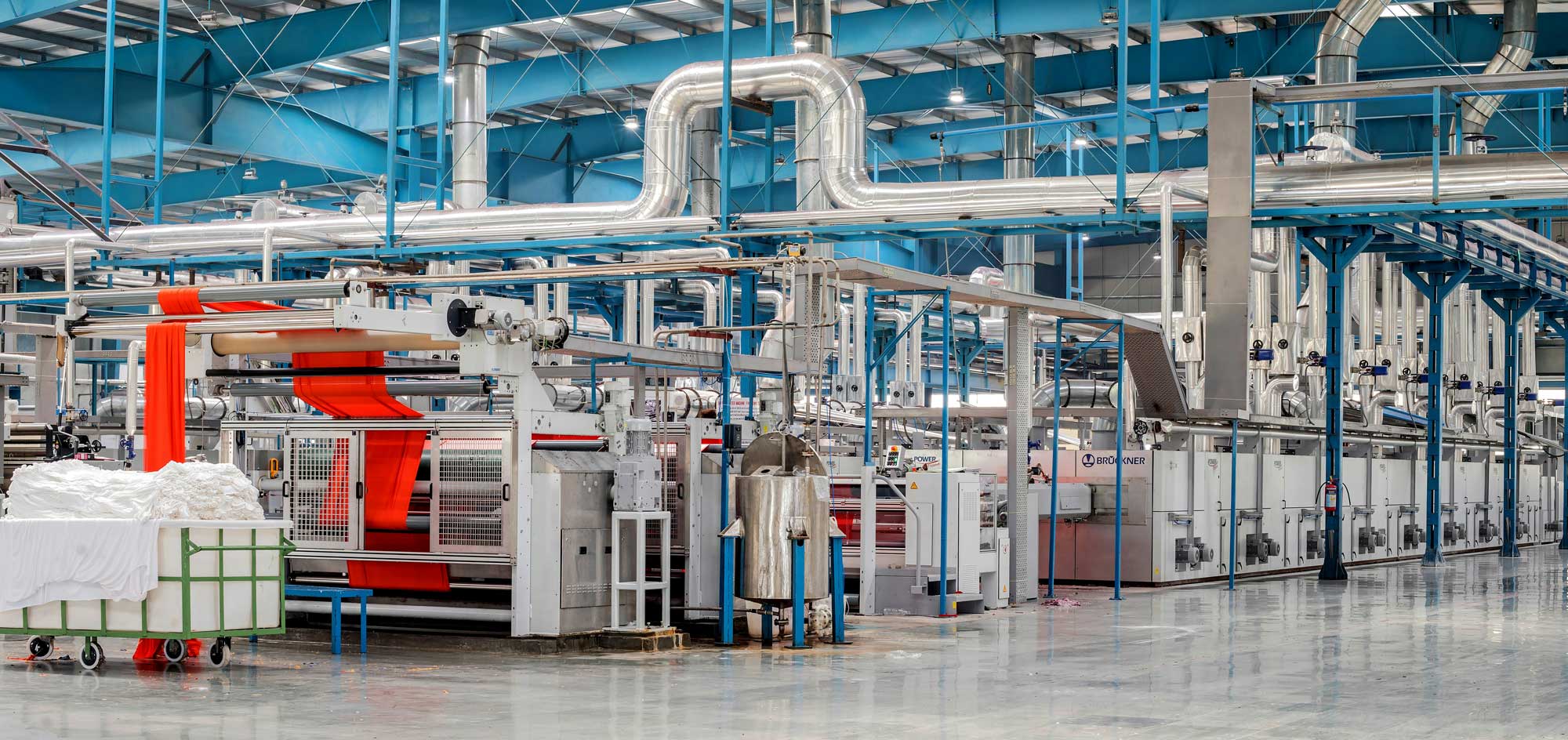
Energy audits are invaluable tools for manufacturers seeking to optimise their energy usage, reduce costs, and enhance sustainability. By systematically analysing energy consumption and identifying areas for improvement, businesses can uncover opportunities to increase efficiency and competitiveness. Here’s a comprehensive step-by-step guide tailored to the manufacturing sector to conduct effective energy audits:
Preparation and planning:
Define objectives: Clearly outline the goals of the energy audit, whether it’s reducing energy costs, complying with regulations, or enhancing sustainability.
Establish a team: Assemble a multidisciplinary team including energy managers, engineers, and production staff to ensure a comprehensive assessment.
Gather data: Collect relevant data on energy consumption, utility bills, production processes, equipment specifications, and operating schedules to provide a baseline for analysis.
Site Assessment:
Walkthrough inspection: Conduct a thorough walkthrough of the facility to identify energy-intensive areas, equipment, and systems.
Equipment inventory: Compile a detailed inventory of all energy-consuming equipment and systems, including age, condition, and efficiency ratings.
Data logging: Install energy meters, data loggers, and sensors to monitor energy usage in real-time and capture fluctuations during different production cycles.
Energy Consumption Analysis:
Utility bill analysis: Review historical utility bills to understand patterns of energy consumption and identify opportunities for cost savings.
Energy profiling: Analyse energy usage patterns across different processes, shifts, and seasons to identify high-consumption areas and potential inefficiencies.
Benchmarking: Compare energy performance metrics against industry benchmarks and best practices to gauge competitiveness and identify areas for improvement.
Technical Assessment:
Equipment efficiency: Evaluate the performance and efficiency of key equipment such as boilers, HVAC systems, compressors, and lighting fixtures to identify opportunities for upgrades or retrofits.
Process optimisation: Assess production processes for energy-intensive steps, inefficiencies, and opportunities for optimisation, such as heat recovery, insulation improvements, or automation.
Maintenance practices: Review maintenance records and practices to ensure equipment is operating at peak efficiency and identify opportunities for preventive maintenance or equipment upgrades.
Recommendations and Action Plan:
Prioritise opportunities: Rank energy-saving opportunities based on potential impact, feasibility, and return on investment (ROI).
Develop an action plan: Outline specific recommendations, timelines, and responsibilities for implementing energy-saving measures, including estimated costs and projected savings.
Financial analysis: Conduct a cost-benefit analysis to quantify the financial implications of implementing energy-saving measures and secure buy-in from stakeholders.
Implementation and Monitoring:
Execute the action plan: Implement energy-saving measures according to the established timelines and monitor progress closely.
Continuous monitoring: Install energy monitoring systems to track energy usage and performance improvements over time, and adjust strategies as needed to achieve targeted savings.
Employee engagement: Educate and engage employees at all levels to foster a culture of energy efficiency and sustainability, encouraging participation in energy-saving initiatives.
Review and Continuous Improvement:
Periodic review: Conduct regular reviews of energy performance and revisit the energy audit process to identify new opportunities for improvement.
Stakeholder feedback: Solicit feedback from employees, suppliers, and customers to identify additional areas for optimisation and innovation.
Continuous improvement: Foster a culture of continuous improvement by celebrating successes, sharing best practices, and integrating energy management into overall business strategies.
By following this step-by-step guide, manufacturers can conduct thorough energy audits, identify opportunities for improvement, and implement effective strategies to optimise energy usage, reduce costs, and enhance sustainability.