The ongoing global energy crisis, exacerbated by the conflict in Ukraine, is hitting the UK energy market hard. As prices look set to reach record highs, the government and commercial sector have become engaged in a frenzied search for alternative energy sources to mitigate both short and long-term pain.
In the absence of such alternatives in the interim, many businesses are exploring the option of on-site power generation. Typically, these explorations begin with a belief that on-site solutions consist of little more than carefully positioned solar panels or wind turbines. However, a deeper dive reveals a world of options that can offset traditional energy sources while matching wider corporate objectives and budgets.
Ground and air source heat pumps
Heat pumps work by drawing heat from the ground or air and transferring it to a premise’s heating systems. Although the heat extraction process does require electricity, it typically needs only a fraction of the electricity used in conventional heating.
Such is their efficiency, heat pumps can compete with even oil and LPG heating systems, earning their owners subsidies through Renewable Heat Incentives. And, unlike on-site biomass heating systems, heat pumps require neither fuel to be delivered nor constant maintenance.
If heat pumps are outside of your budget, air source pumps are a simpler and more economical alternative as no groundwork is required in the installation process. However, they tend to be less efficient. Nevertheless, both heat and air source pumps can slash expenditure on energy and reduce overall carbon footprint.
Combined Heat and Power (CHP)
CHP technology uses one fuel source – mostly natural gas – to generate electricity and heat. Highly efficient when used by the right businesses, the solution can save up to 20% on utility bills by enabling the generation of electricity on-site while channelling waste heat to other areas of the premise.
Battery Storage
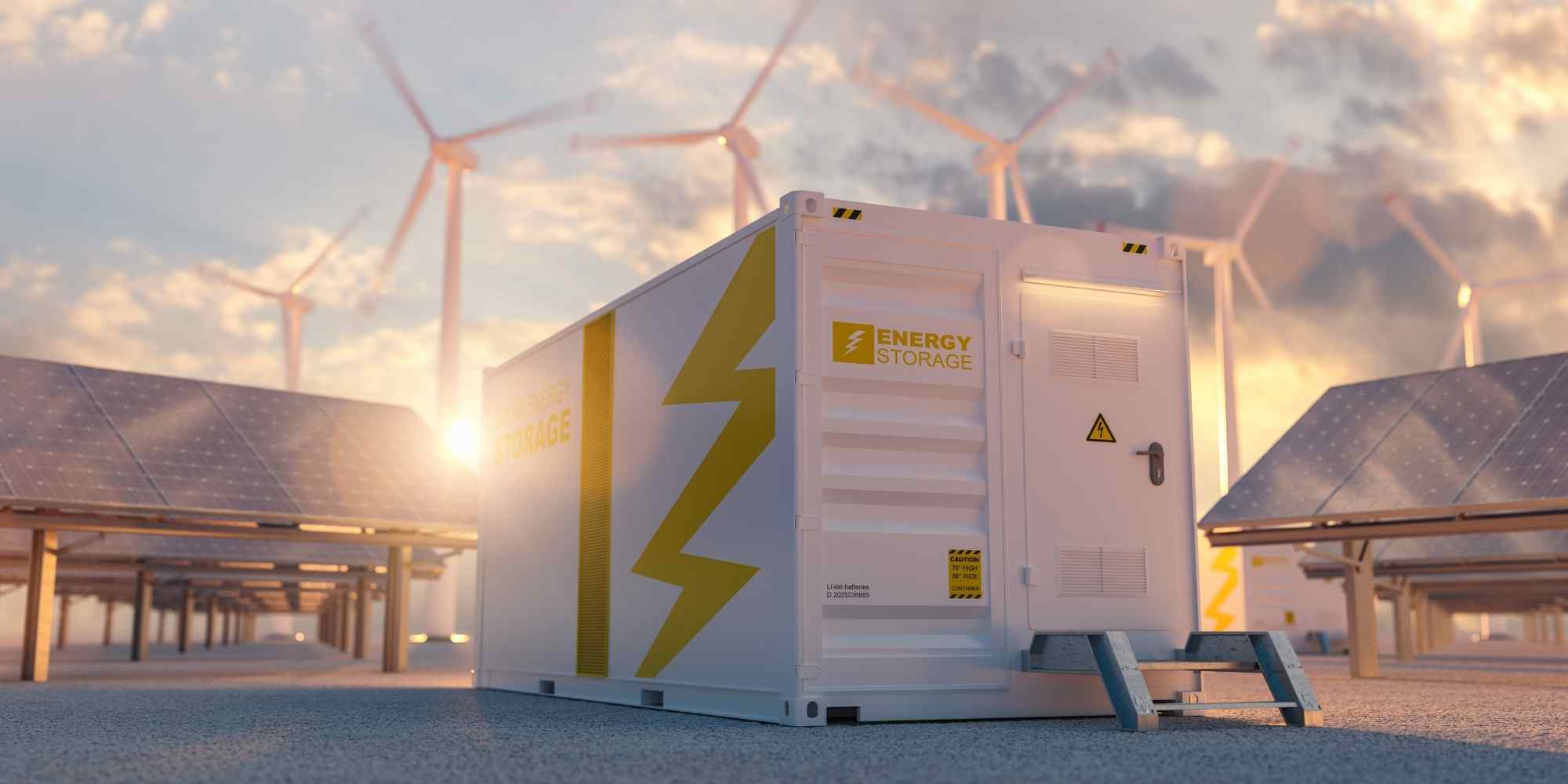
Battery storage sits among the more popular, current energy management technologies available on the market, mostly because battery capacity has greatly improved in recent years and running costs have plummeted.
Flexible and versatile, battery storage ensures existing on-site energy generation produces optimal ROI by storing surplus energy generated during hot spells and making it available at other times of the day or night.
Even if a business is not equipped with on-site generation, batteries can still provide significant cost savings. The technology allows you to purchase and store energy at cheaper off-peak periods to then be used during more energy-intensive points in the day.
Modern Energy Efficiency Technologies
Innovation in the field of energy efficiency has recently produced a range of solutions that lower business energy consumption, without disrupting productivity or patterns and methods of operating.
For example, voltage optimisation regulates incoming electricity and optimises voltage levels for on-site electrical equipment, thereby reducing overall consumption. Traditionally, power is supplied at a higher voltage than modern appliances require, meaning much energy and thus money, is wasted. There is zero impact to productivity and, as well as bringing down costs, greenhouse gas emissions are decimated.
Another solution is power factor correction. Working in a similar way to voltage optimisation, it reduces wastage within your electrical system and can provide compelling savings from ‘reactive power charges’ – the difference between electricity supplied and that which is converted into useful power (i.e. the electricity you can actually use).
With such a breadth of on-site energy solutions to choose from, selecting the right one to meet your business’ needs can be difficult. Remove the pain from this process by speaking to Red Hawk today and our expert consultants will guide you towards a technology that lowers your bills and emissions without disrupting your workflows.